

Feb 20 6 MIN READ




To stay competitive in today’s digital economy, businesses need to move fast – and that includes how payments are handled. Automated payments streamline routine transactions, reducing manual effort and freeing up valuable resources.
Let’s explore what payment automation is, how it works, and how it can improve your business operations.
Payment automation is a technology that lets merchants process transactions without manual intervention. When you partner with a payment provider that supports this technology, your transactions happen on schedule and with minimal effort from your team. It can be used for recurring billing, payroll disbursements, supplier payouts, and customer transactions.
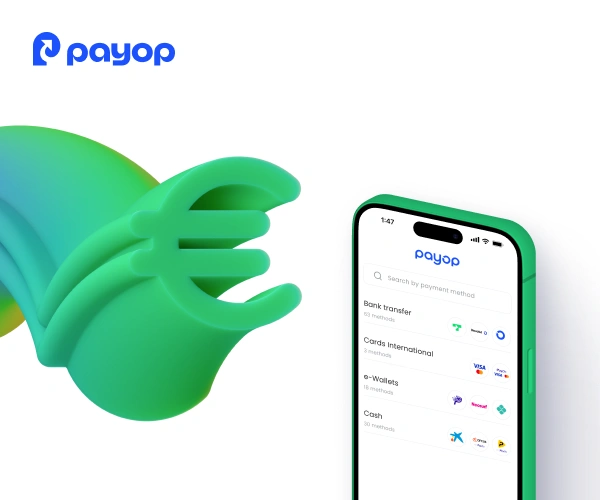
Once integrated, payment automation keeps transactions timely, accurate and smooth. It supports multiple payment methods, including bank transfers, cards, digital wallets, and electronic funds transfers (EFTs).
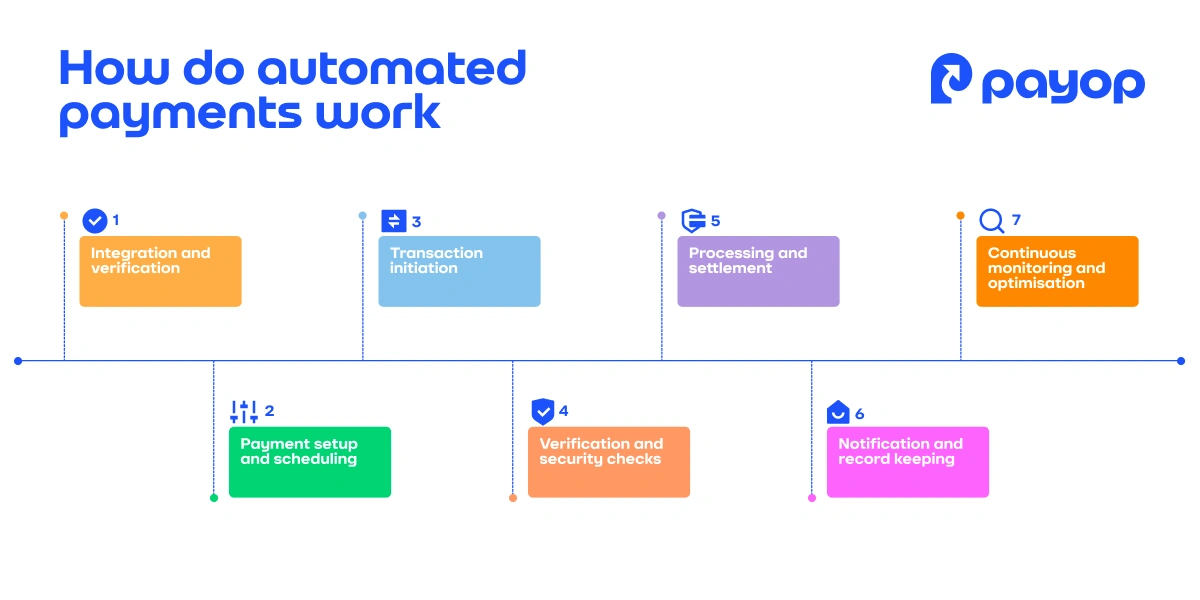
This is how automated payouts are processed within Payop’s system:
1. Integration and verification
After the Payop’s platform is connected to your website or app, you can start setting up automatic withdrawals to your verified accounts. The first step is sending your recipients’ data for verification. This includes: bank details, business address, and proof of account ownership.
2. Payment setup and scheduling
Once the accounts are verified, you can set up our system to make automated payouts. Set the amount, frequency, and payment method, and select a verified recipient to schedule payments.
3. Transaction initiation
When a payment is due, the automated system initiates the transaction based on your rules and schedules. It sends the payment request to the bank or processor, which moves the money from your business account to the recipient’s.
You can control payouts by temporarily switching them off or deleting them completely.
4. Verification and security checks
Before completing the transaction, the system performs some security checks. It makes sure the payment details are correct and that the transaction complies with security protocols and compliance requirements.
5. Processing and settlement
After verification, our system processes the payment and moves the funds from your account to the recipient’s. Depending on the payment method, this can take from a few seconds to a few days.
6. Notification and record keeping
When the payment is completed, you receive a notification. The system updates your transaction records and provides real-time reports with details of all withdrawals.
7. Continuous monitoring and optimisation
Payop’s automation feature allows you to monitor transaction statuses in real time. This helps spot any issues, such as failed transactions or mismatches, and fix them without delays.
Automated payments aren’t just about efficiency. They come with a range of advantages that allow you to focus on growing your business, such as:
Contact our team at sales@payop.com to learn how Payop can help optimise your business operations.