

Jan 26 7 MIN READ

While a payment service provider (PSP) is vital for running online payments, not all providers meet business expectations. In this article, we’ll see what questions you should ask to find a platform that truly fits your needs.
A PSP is a company that enables businesses to accept online payments without managing complex banking integrations. It connects customers, merchants, banks, and payment networks via an online payment platform.
A provider offers the essential services that power online transactions:
Choosing a partner that meets all your needs isn’t simple. But probably you already know it. Limited payment options, poor support and various unclear commissions are only the tip of the iceberg.
To make an informed decision and set your business on the right payment track, it’s worth doing some digging and checking potential platforms for non-negotiables.
A long onboarding process with endless document requests holds back operations and delays revenue. That’s why a clear, structured PSP integration flow matters. It helps you understand each next step and ensures access to real human support when questions arise. The result is faster go-live, fewer blockers, and the ability to start accepting payments in days, not months.
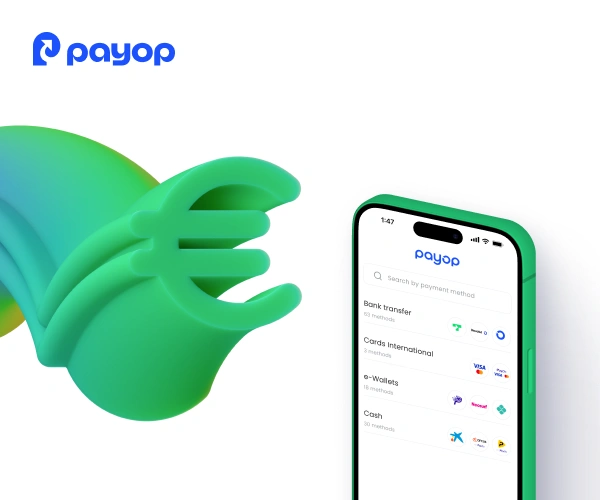
Missing the right payment options can cost you sales: about 13% of customers abandon their carts if their preferred methods aren’t available. The solution is a PSP that supports a wide range of payment methods:
If your business is operating internationally, geographic coverage and supported currencies matter just as much. Prices in unfamiliar currencies, extra conversion fees, or a lack of local payment options can quickly discourage shoppers.
PSP’s pricing can vary depending on region, industry, payment solutions and other factors. But what you should actually look out for are hidden charges.
Integration or onboarding fees, monthly and support charges, which no one talks about at first, can quickly eat into your revenue.
A transparent PSP charges only for successful transactions, helping you keep expenses in line with revenue.
Fraud protection directly impacts your reputation and your customers’ trust. A reliable PSP combines multiple layers of protection to detect suspicious activity without creating unnecessary friction for legitimate customers.
Look for a provider that has:
Keeping up with payment regulations across different regions can be confusing and time-consuming. Rules vary by country, and missing even one requirement can lead to reputational damage, fines, and blocked payments. Which is why it’s important to select a provider that takes compliance seriously and complies with the regulatory requirements where you operate.
Key aspects that should be covered:
During busy sales periods and holidays, your payment system needs to keep running smoothly. Any downtime can lead to lost sales and abandoned carts, which is why it’s important to choose a platform that can reliably handle traffic spikes.
Pay attention to:
AI bots and standardised guides can be useful, but they don’t cover every situation. What matters most is the real support team that will assist you at every stage of the process. Not only during the onboarding phase.
Look for a partner that provides responsive, human support, clear communication channels and a dedicated account manager who understands your business industry.
Instant payments lose their value if accessing the funds takes too long. It creates operational friction and slows down day-to-day business activities.
If you don’t want to face this, select a partner that offers flexible withdrawal options. Important aspects here are payout frequency, available schedules, and whether withdrawals are automated or require manual requests. The ability to choose between daily, weekly, instant, or customised payout schedules gives you greater control over your cash flow.
Automation also plays a key role. It reduces administrative work and errors, as funds are sent according to a predefined schedule without additional action from your team.
The checkout directly impacts conversion. It can build trust and drive sales, or frustrate customers and cause cart abandonment. Since this is the point where the final payment decision is made, every extra step matters.
What makes the difference is the payment user experience (UX). A fast, mobile-optimised, and intuitive checkout with familiar payment options helps customers complete their purchase without second thoughts.
On the contrary, slow loading times, unnecessary steps, complex layouts, and limited payment methods can easily push customers away.
Choosing a PSP that prioritises checkout UX helps protect conversion at the final step.
A PSP with clear reporting tools gives you visibility into how payments perform. This way, you can track results, spot issues early, and make better business decisions.
Good reporting should include:

Working with a reliable payment service provider gives you more than just transaction processing. You get a partner who can support your growth, optimise your operations and make sure you don’t lose sales that were already in your pocket. Such cooperation brings you:
Payments shouldn’t slow your business down or force you into workarounds. They should fit your model, support growth, and work reliably across markets. That’s the approach we take at Payop when building our payment solutions.
With a single integration, you get:
We support your growth, not slow it down.
Contact us at sales@payop.com to learn more.