


Feb 27 5 MIN READ


Online shopping and digital payments are now part of everyday life. But have you ever wondered what makes the transaction work? There’s a complex system behind the scenes that moves funds, verifies data, and protects payment information. Understanding the process helps you spot gaps and improve security.
In this guide, we explain what payment processing is, how it works, and how a payment service provider can make things easier for you.
Payment processing is the set of steps that moves funds from a customer to a merchant once a payment is initiated. It includes verifying, approving, and settling payments.
A payment service provider (PSP) simplifies this process for merchants by handling the technical, financial, and security aspects of digital payments. Instead of connecting to banks, payment networks, and other systems individually, businesses can manage everything through a single provider.
The first step in understanding the payment process is identifying the participants. Each transaction involves:
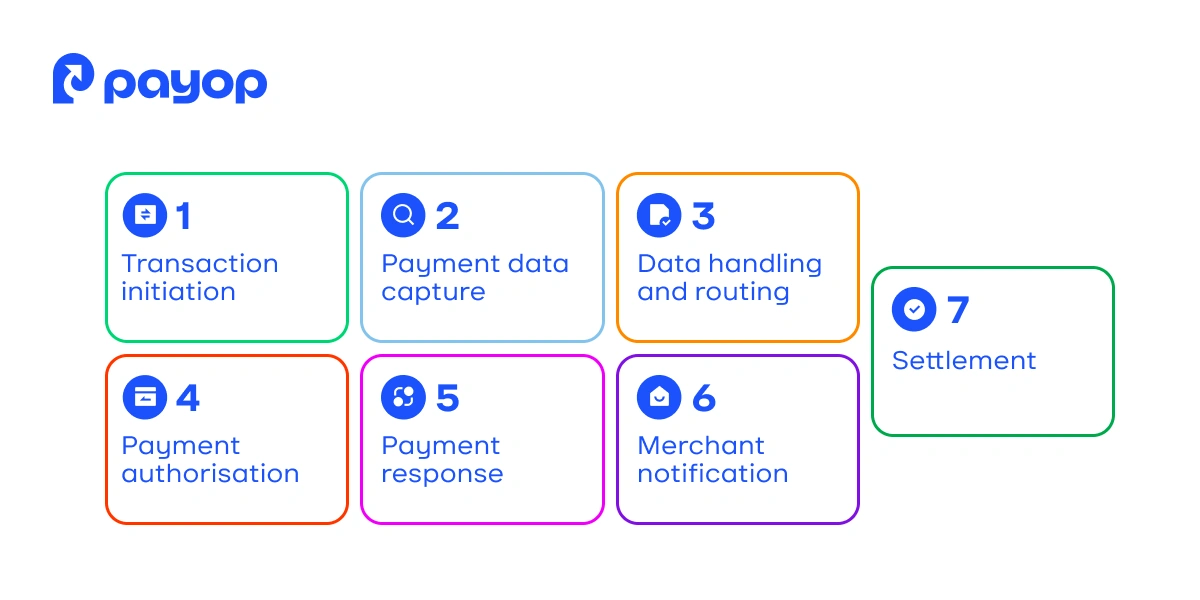
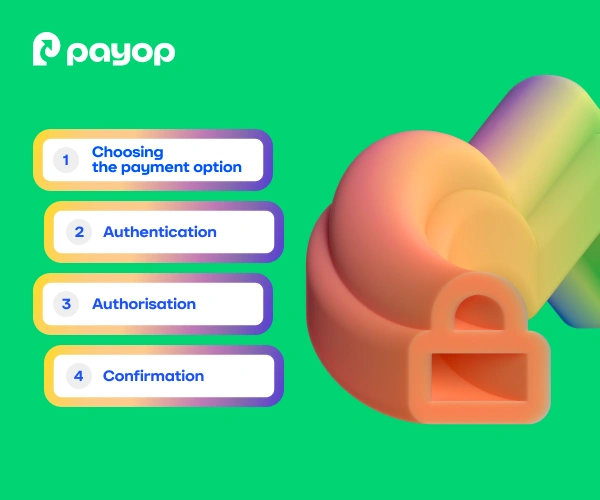
Here’s what happens when a customer pays via digital methods:
The customer completes a purchase on the merchant’s website, chooses a payment method, and starts the payment.
The payment gateway securely collects and encrypts the payment details before sending them to the payment service provider.
The PSP receives the payment request and routes it through the appropriate payment path based on the selected method, location, and transaction parameters.
The customer’s bank or the relevant payment network checks the request and either authorises or rejects the payment.
The PSP receives the approval or decline result and prepares the final payment status.
The PSP sends the payment status to the merchant and updates the transaction in the merchant’s dashboard.
The bank and payment provider transfer the approved funds to the merchant’s account according to the rules of the chosen payment method.
A smooth, efficient payment processing system benefits merchants and makes the payment journey easier for customers. And there’s how:
Choosing the right payment processing partner is crucial for maximising your business’s efficiency and growth. Here are some key factors to consider:
Choosing the right payment service provider directly impacts your business efficiency, transaction security, and ability to expand into new markets. The right partner can save time, reduce risks, and set your operations up for long-term success.
Whether you want to expand globally, streamline operations, or offer your customers a seamless transaction experience, Payop provides everything to make it possible. We offer 500+ payment methods and 100+ currencies across 170 countries, clear fees with no hidden commissions, and reliable human support from dedicated account managers every step of the way.
Contact our team at sales@payop.com to learn more.