

Apr 03 7 MIN READ
How payment method preferences differ across Europe
Mar 27 7 MIN READ
Voice-activated payments: Are Alexa and Siri ready for e-commerce?
Mar 20 6 MIN READ
5 Common payment processing mistakes that hurt online conversions

Mar 13 6 MIN READ
How to choose payment methods for different markets
Mar 06 6 MIN READ
Fraud trends to watch out for in 2026

Feb 27 5 MIN READ
iGaming payment processing: How to handle global transactions
← All articles
Offline meets online: How convenience stores drive e-commerce payments in Asia & LATAM
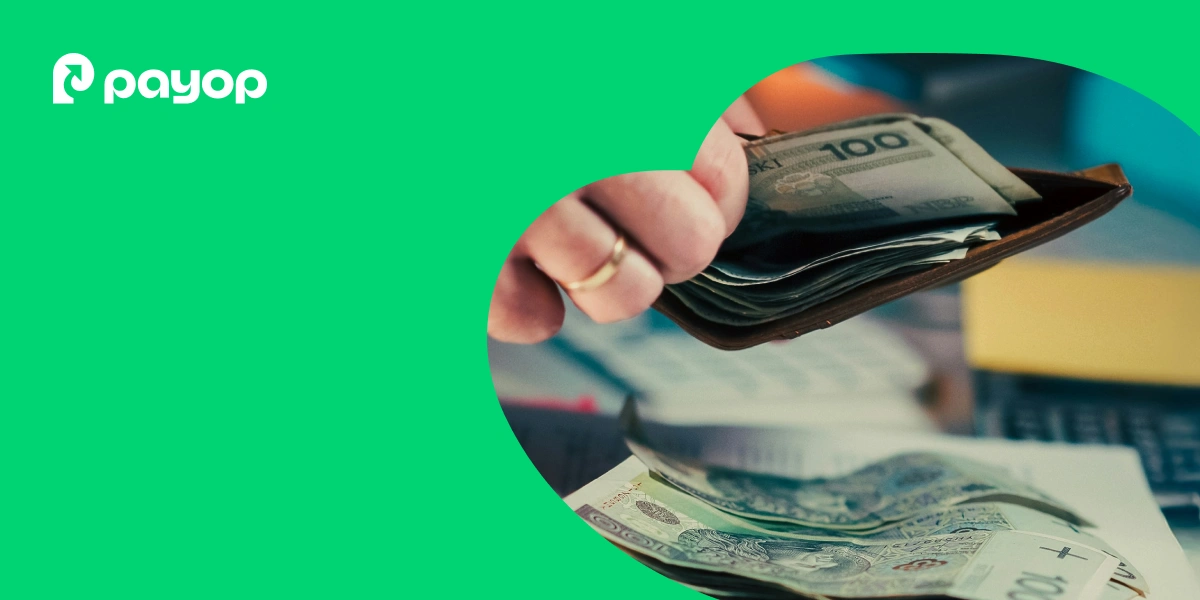
How does someone make a purchase online without having a bank account? The answer isn’t always a digital wallet. Across Asia and Latin America (LATAM), many customers use payment methods that bridge the gap between physical cash and digital shopping. Here, offline meets online – in a space where convenience stores serve as payment hubs for the e-commerce world.
Let’s dive into what it means for online merchants.
How cash payments drive e-commerce
In many emerging markets, access to traditional banking is limited, leaving customers without digital payment tools. That’s why locals use alternative payment methods, often involving cash.
As of 2025, cash is vital in Latin America. According to recent Global Findex data, about 27% of adults in the region lack a bank account or access to mobile money services. And the numbers vary a lot by country. While Brazil has a high banking rate of around 84%, Nicaragua and El Salvador are far behind. The report also shows that even people with bank accounts often prefer paying in cash – out of habit or because they trust it more than cards. This is especially true in Peru, Colombia and Mexico, where one in three account holders still prefers offline payments.
Cultural habits made cash the main payment method in Mexico. The 2025 National Financial Inclusion Survey shows that 85% of transactions under 500 pesos are made in cash, including online orders paid at pickup points. The Estudio de Venta Online 2025 points out that improvements in cash-pay options at convenience stores like Oxxo and 7-Eleven played a key role in driving online sales in 2024.
In Asia, paying at a store counter is the go-to solution for anyone without a card. In the Philippines, 7-Eleven, via the CLIQQ system, serves as a major payment hub. People shop online, select “Over-the-counter” at checkout, and then head to a nearby store to pay in cash. Even with the boom of QR codes, 7-Eleven remains essential for rural areas and youth without bank accounts. And Japan is a unique case. In this high-tech yet fraud-conscious country, paying in cash allows locals to keep a high level of personal security and data privacy.
How cash payments work: From screen to store
Whether it’s Oxxo in Mexico, 7-Eleven in the Philippines, or Konbini in Japan, the process is very similar.
Here is the step-by-step breakdown of how it works:
1. Selecting the payment method.
At checkout, the customer selects their preferred option, often labelled “Cash,” “Counter Payment,” or a specific store logo such as OXXO or 7-Eleven.
2. Generating the payment voucher.
Instead of asking for card details, the system generates a unique payment voucher. Depending on the network, this will be a barcode, a QR code, or a numerical reference code (like a CIP in Peru or a PIN in Colombia).
3. Receiving the instructions.
The user receives clear instructions on the screen, often backed up by an email or SMS. These details explain exactly where and how to complete the transaction at a physical location.
4. The in-store payment.
The customer visits a nearby participating location, such as a convenience store, a pharmacy, or a payment point. Then the user shows the code to the cashier or, in some regions, enters the reference number into an in-store kiosk to print a payment slip. Then they pay the total amount in cash.
5. The confirmation.
As soon as the payment is processed, the store’s system sends an instant notification to the merchant. For traditional bank slips like Boleto Bancário, confirmation may take up to 2 working days.
6. Order fulfilment.
The order status automatically changes to “Paid.” The merchant receives the funds, and the order is fulfilled.
Popular store-based payment networks across LATAM and Asia
The following networks serve as the primary ‘cash-in’ points for digital transactions.
Latin America
In LATAM, the most popular payment systems are:
- OXXO. As Mexico’s largest convenience store network, OXXO processes the majority of all cash payments for online purchases.
- 7-Eleven. The global chain and OXXO’s primary competitor in Mexico, though it has a smaller network of locations.
- Boleto Bancário. This isn’t a payment point, but a type of bank slip used across Brazil. Boleto allows locals to pay for online purchases in cash at lottery shops, post offices, and supermarkets.
- Efecty. With 10,000+ locations, Efecty is Colombia’s leading network for cash payments. Most points are service counters inside convenience stores and pharmacies.
- PagoEfectivo. As the leading cash aggregator in Peru and Ecuador, it provides access to a vast network of over 40,000 physical points. With PagoEfectivo, customers can either pay in cash at a partner location – supermarkets, pharmacies, or networks like Western Union and KasNet – or via their banking app.
- Pago Fácil & Rapipago. These are the two largest payment systems in Argentina, used for everything from utility bills to online orders. Their service points are conveniently located inside supermarkets, pharmacies, newsstands, and local corner stores.
- Servipag. Very popular in Chile, Servipag runs a vast network of payment points in major supermarkets, shopping malls, and pharmacies.
Asia
In this region, the most trusted points for cash transactions are convenience stores:
- 7-Eleven & FamilyMart. These stores serve as 24/7 payment hubs in the Philippines, Thailand, Taiwan, and Malaysia. In the Philippines, transactions are made in 7-Eleven stores via CLIQQ terminals. In Thailand, this is the preferred payment method for online purchases.
- Alfamart & Indomaret. These two chains are almost everywhere in Indonesia. They are key for regional e-commerce, as almost every local marketplace offers payment via Alfamart and Indomaret.
- Konbini. Many Japanese customers prefer paying at konbini – local convenience stores. Lawson, FamilyMart, and 7-Eleven payments are so popular because they allow users to keep their financial data off the internet. And privacy is what the Japanese value the most.
- WinMart & Circle K. While Cash-on-Delivery (COD) remains popular in Vietnam, convenience store chains like WinMart and Circle K are actively promoting in-store terminal payments. Depending on the store, customers either print a payment slip at an in-store kiosk or simply show a digital barcode directly to the cashier to complete the transaction.
Benefits of including cash payment methods at your checkout
Beyond the obvious perks for payers – convenience, 24/7 availability, and protection from digital fraud – what are the benefits of cash-based payments via convenience stores for your business?
Adding them to the checkout brings you:
- No chargebacks. Cash-based transactions are confirmed instantly and are non-disputable through the payment provider. Thanks to this, your business is protected from chargebacks and friendly fraud.
- Higher customer trust. Payers trust familiar payment options. They already know how those solutions work and feel confident in their security, which reduces the risk of cart abandonment.
- Improved loyalty. Adapting to regional payment preferences shows customers you value their needs, helping boost customer retention.
- Broader reach. By offering cash-based options, you open your business to millions of customers who don’t use cards. This allows you to reach new markets and grow your customer base.
Global growth starts with local trust, and Payop makes it simple. Through a single integration, you gain access to 200+ alternative payment methods, including regional cash-based payments. We handle the technical side of the process and provide real human support right from the start. And you’re growing into new regions, accepting both online and offline payments.
Ready to expand? Contact us at sales@payop.com.
More similar blogs
Apr 03 7 MIN READ
How payment method preferences differ across Europe
Mar 27 7 MIN READ
Voice-activated payments: Are Alexa and Siri ready for e-commerce?
Mar 20 6 MIN READ