
Apr 24 5 MIN READ

When expanding internationally, offering global payment methods might seem a perfect solution. However, a one-size-fits-all approach may not convert as you intended. The key is a localised payment experience that fits your target market.
In this article, we break down when you should prioritise local options over global ones.
Global payment methods are widely recognised brands such as Visa or Mastercard. The category also includes popular digital wallets such as PayPal, Apple Pay, and Google Pay. They operate in most countries and handle multiple currencies, which is why they are called “global”. While these methods dominate cross-border trade, they often coexist with local alternatives that may be even more popular in specific regions.
Local payment methods include national card schemes, bank transfers, digital wallets, and even cash-based systems. In China, for example, Alipay and WeChat Pay dominate the digital payment landscape. In Brazil, the PIX system has become a true standard for locals over global cards in just a few years.
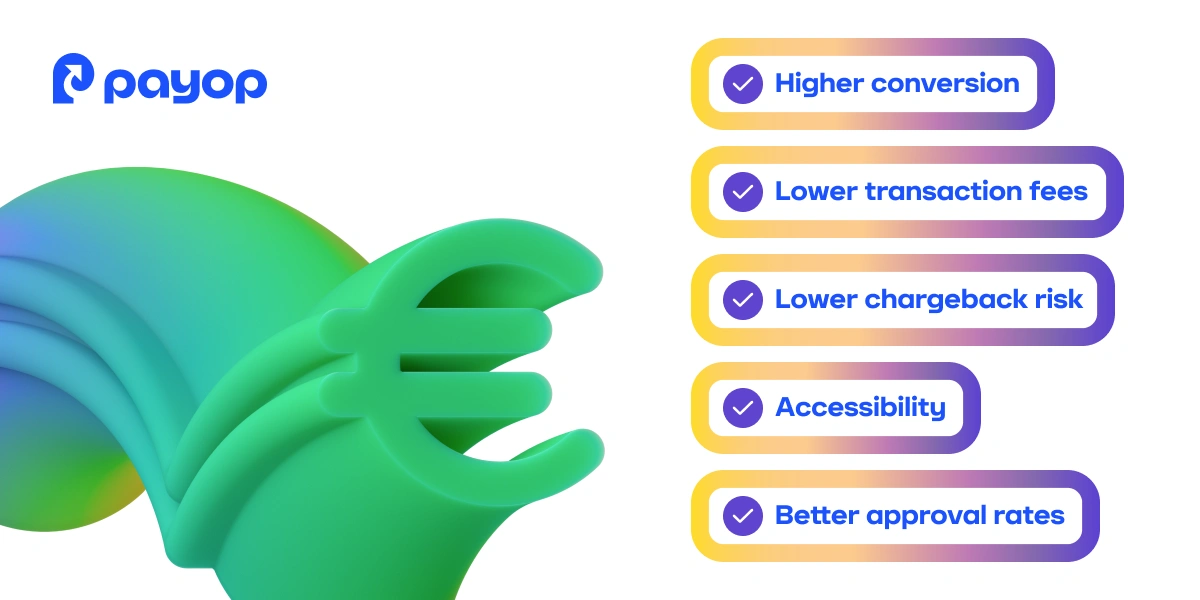
Here are the top reasons to choose local options over global ones:
In some regions, global payment options are the exception rather than the standard. Understanding this is key to building the right strategy.
Here, Alipay and WeChat Pay are integrated into social messaging and mobile ecosystems. Locals use them to pay for everything from street food to luxury goods. Near-instant payment processing and the convenience of QR code payments make these solutions national favourites.
PIX is an instant bank transfer system used by almost everyone in Brazil due to its speed and convenience. Boleto Bancário, a cash-based voucher solution, also remains popular, especially for customers without bank accounts.
The Unified Payments Interface (UPI) allows Indians to transfer money between bank accounts instantly using just a phone number or a QR code. Thanks to this, millions of users without credit cards can make online payments.
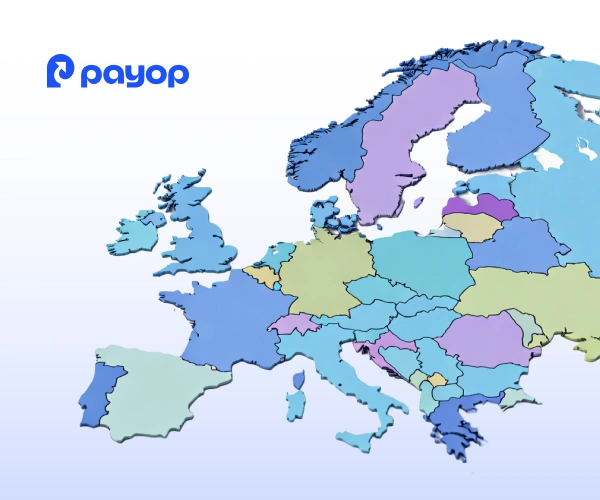
In some European markets, global cards are often secondary options for e-commerce payments. Examples include iDEAL in the Netherlands, BLIK in Poland, Swish in Sweden, and Vipps in Norway. Customers in these markets trust local banks and prefer the convenience of smartphone-based systems. For them, using a direct bank transfer or a simple 6-digit code is faster and feels more secure than entering credit card details on a website.
In Indonesia and the Philippines, wallets like GCash, GrabPay, GoPay, and OVO are the dominant payment methods. In Vietnam, it’s MoMo, ZaloPay, and ShopeePay. This is caused by high mobile phone penetration and poor banking infrastructure. For local customers, a digital wallet isn’t an alternative, but the only way to participate in the digital economy.
Choosing the right mix of payment methods is only the first step. To create a truly localised payment experience, make sure to:
To build a working expansion strategy, ask these 5 key questions about your target market’s payment preferences:
Navigating all this information and conducting profound market research can be very time-consuming. But a reliable payment service provider (PSP) can save you the trouble.
Working with Payop, you get an experienced strategic partner who has your back. We offer access to 200+ payment methods, including local solutions, through a single integration. On top of that, advanced security, better conversion with optimised checkout, and support from a dedicated account manager, who will guide you through all the procedures.
Ready to expand into new regions? Contact us at sales@payop.com.